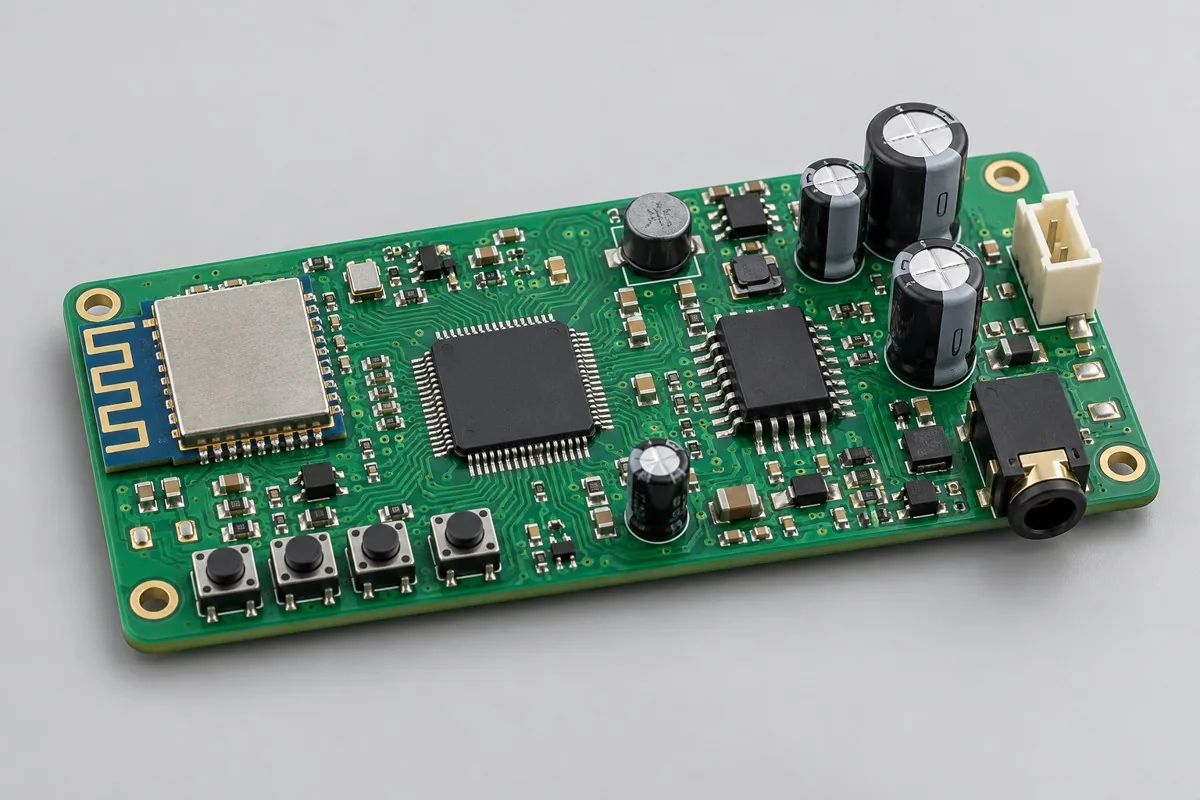
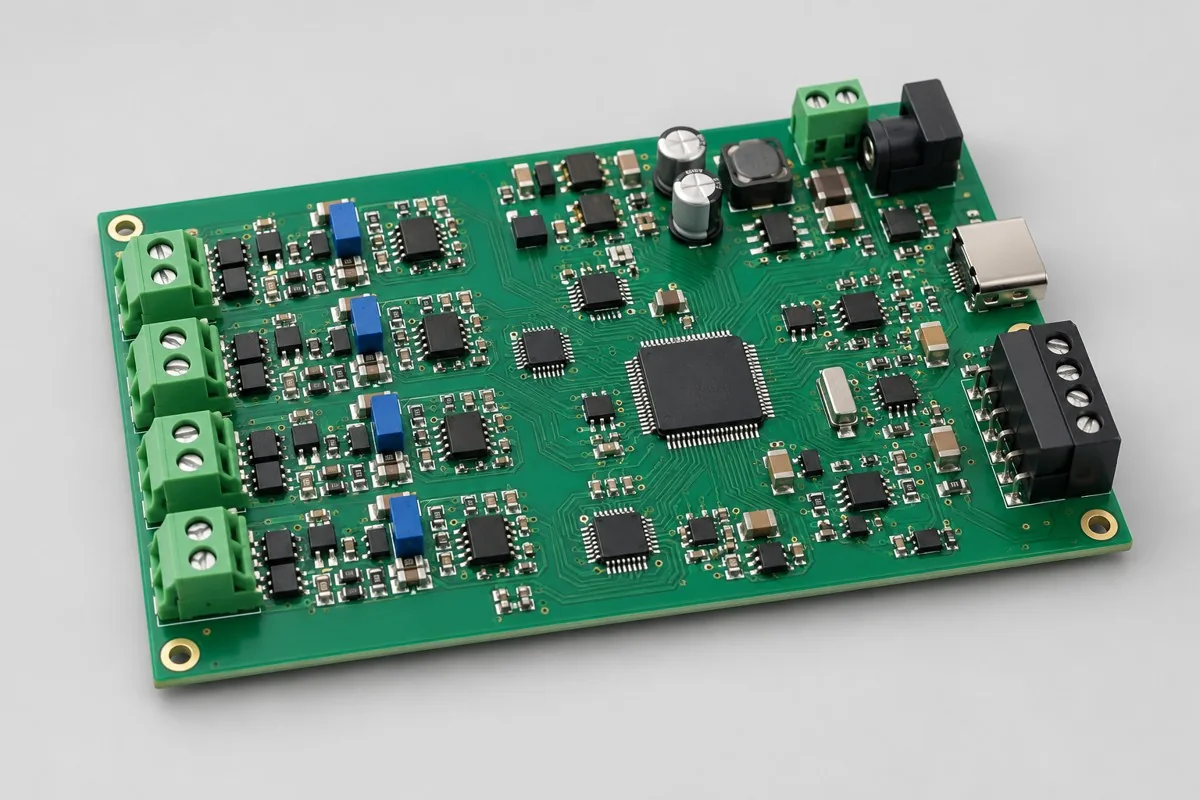
Low-volume PCBA with a repeatable revision and release rule
KFPCBA coordinates PCB fabrication, component sourcing and assembly for low-volume projects. Define the quantity by revision and population variant, then agree first-article release, inspection and functional test responsibilities.
The aim is a repeatable build, not simply more copies of a working prototype. Keep the approved BOM, manufacturing files, software and accepted changes together so a reorder does not reopen undocumented choices.
Make variant and material responsibilities visible
| Control point | Before the first batch | At a reorder or change |
|---|
| Revision and DNP | Match schematic, PCB, BOM, placement and assembly drawings | Compare the requested package with the last accepted build. |
| Material supply | Assign purchases, approved sources, quantities and shortage decisions | Review substitutions, remaining stock and package-opening history. |
| Setup and first article | Identify stencil, fixtures, orientations and approval authority | Confirm which approved setup items remain usable and which need review. |
| Test and release | Define firmware, fixture version, conditions and disposition records | Recheck the coverage affected by component, software or mechanical changes. |
Compare setup, material and per-board work separately
List engineering review, stencil or fixture preparation and first-article work separately from purchased materials, assembly, programming, calibration and tests. Different revisions or variants may need separate setup and validation even when the order quantity is combined.
The assembly cost breakdown helps compare inclusions. A placement-point price is one possible charge basis, not a complete low-volume quotation. Specify whether quoted quantities mean boards started, panels or accepted boards delivered.
Close prototype findings before a repeat build
Resolve temporary jumpers, manual tuning and revised component values in the formal package. For a measurement board, specify calibration conditions and coefficient handling. For a connected product, identify module, firmware and interface configurations in the release.
Use prototype assembly while design risks remain open. The BOM and placement checklist and test coverage guide support the transition to controlled batches.
Retain the record needed for the next order
- Link boards or lots to the released design, materials, software and agreed tests.
- Record first-article decisions, approved changes, held units and retest disposition.
- Agree ownership and handling of remaining components and reusable fixtures.
- State what changes trigger a new engineering review or first-article approval.
Describe the revision, quantity, material supply and test needs through a low-volume project inquiry, or attach released files to the engineering RFQ. Dates depend on the agreed material-readiness and release milestones.