
PCB fabrication
Review the material, stackup, hole structure and inspection package through PCB manufacturing.
KFPCBA is a Shenzhen PCBA manufacturer with R&D staff and multiple production bases. We integrate PCB fabrication, PCB assembly and component sourcing, with PCB design support for projects that need engineering work before manufacture.
A project may cover a single manufacturing stage or a coordinated route from design to an assembled board. For work moving between production bases, connect the bare-board release, BOM, assembly instructions and test requirements before transfer, and identify the site responsible for each operation in the order records.
Review the material, stackup, hole structure and inspection package through PCB manufacturing.
Define boards, components, assembly and test responsibilities through PCBA manufacturing.
Connect schematics, layout, prototype objectives and manufacturing handoff through PCB design.
KFPCBA's registered Shenzhen address identifies the company, while the fabrication or assembly facility for an order must be confirmed against its construction, process route and acceptance criteria.
| Review item | Evidence to request | Why it matters |
|---|---|---|
| Site identity | Legal operator, production address and role in the order | Connects the contract to the location performing the work |
| Process allocation | Fabrication, sourcing, SMT, through-hole, programming, test and any outside steps | Shows which organization owns each operation and exception |
| Project route | Board construction, assembly constraints, fixtures and approved alternatives | Checks that the proposed route fits the actual product |
| Quality scope | Applicable procedures, certificate scope and relevant anonymized records | Connects qualification documents to the intended activities |
| Delivery plan | Material readiness, release milestones, shipping and contingency responsibilities | Distinguishes manufacturing completion from arrival at destination |
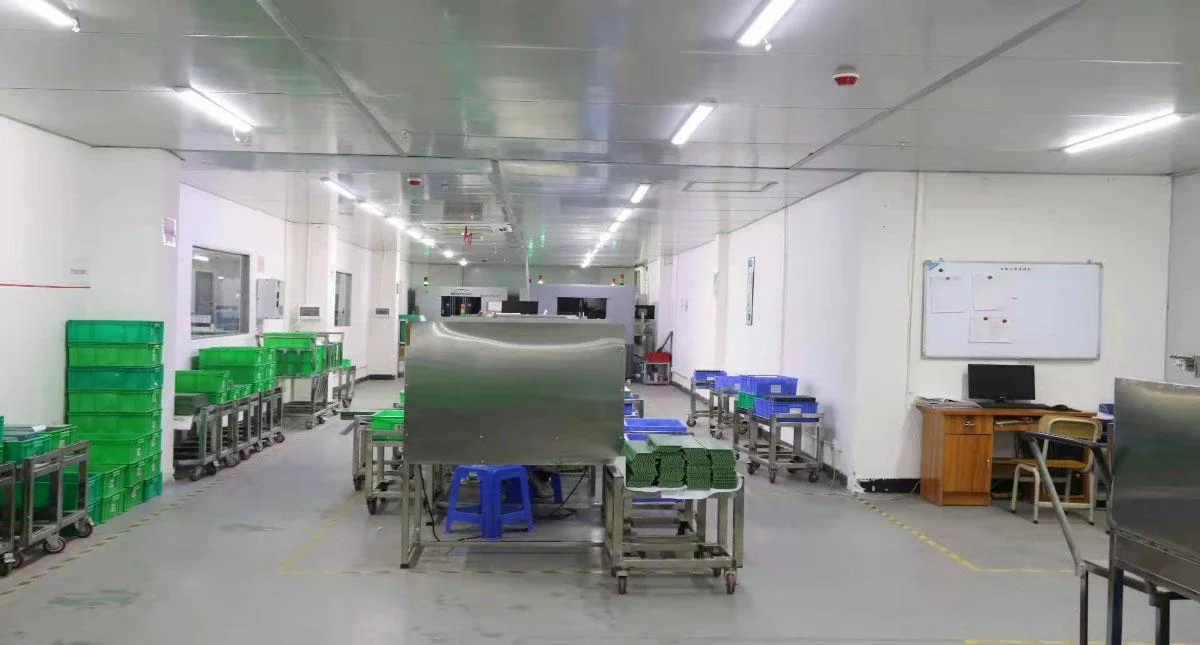
A useful site photograph identifies what is shown, the location and the date or source. An equipment image helps explain a process but cannot establish maintenance status, calibration, ownership or availability by itself. Ask for evidence relevant to the actual route rather than treating a general factory image as proof of every capability.
An audit can be scoped around document review, production flow, traceability and the project-specific acceptance plan. Confidential records may be supplied in controlled or anonymized form. The exact audit arrangement and any customer access requirements need to be agreed in advance.
Review equipment-route questions, quality records and certificate applicability together. Use the company contact route to request site-specific information and explain the process or evidence your purchasing review requires.
A useful factory discussion follows the proposed board through operations, rather than treating a building photograph as process evidence. Start with incoming materials, fabrication or bare-board receipt, solder-paste preparation, printing, placement, soldering, inspection, programming, testing and packing. The actual order may omit or outsource steps; record the organization and site responsible for each one before release.
| Handoff | Document to connect | Question to resolve |
|---|---|---|
| Material to assembly | BOM revision, approved source, lot identity, storage and issue record | Can each issued part be traced to the right ordering code and handling history? |
| Setup to first article | Panel, stencil, placement and work-instruction revisions | Do both sides and every panel position use the intended release? |
| Inspection to test | Unit identity, inspection disposition, firmware and fixture revisions | Which requirements were checked, and which remain unobserved? |
| Test to dispatch | Retest history, approved exceptions, packing and delivery list | Are held units excluded from the release and replacement units traceable? |
When a board moves from fabrication to assembly, its construction and finish must match the approved assembly package. At the assembly-to-test handoff, connect the unit identity to the firmware, fixture revision and acceptance limits. Resolve holds and substitutions against that same release before the next production stage; a completed operation does not by itself close the remaining product checks.
Ask for the route, hold points and responsible site with your available project files. Use the quality-record checklist and test-scope guide to identify evidence before requesting a project quotation.

Tell us the product use and which files are available. We can define the next engineering step even when the data package is not complete.